Quick answer: If your website looks dated, loads slowly, isn’t mobile-friendly, or fails to rank on Google, it’s likely costing you customers. These are among the ten clearest signs an your business needs a website refresh and acting on them can rebuild trust, boost conversions, and improve search visibility.
Your website is often the first thing a potential customer sees before they ever step through your door or pick up the phone. For businesses across the Isle of Man an outdated site can quietly turn visitors away without you ever knowing.
Research from Stanford University found that 75% of users judge a company’s credibility based on its website design. Add to that Google’s own findings that 53% of mobile visitors leave a page that takes longer than three seconds to load, and it becomes clear how much is riding on your online presence.
Below are ten signs your website may be due for an overhaul.
Design trends move quickly. A site that felt fresh in 2018 can look tired and untrustworthy today. Clunky layouts, tiny fonts, and stock imagery that screams “template” all send the wrong message.
Modern visitors in 2024–2026 expect clean layouts, generous white space, bold typography, and quick-loading visuals. If your site still relies on Flash-era design cues or cramped text, it’s chipping away at your credibility before a visitor reads a single word.
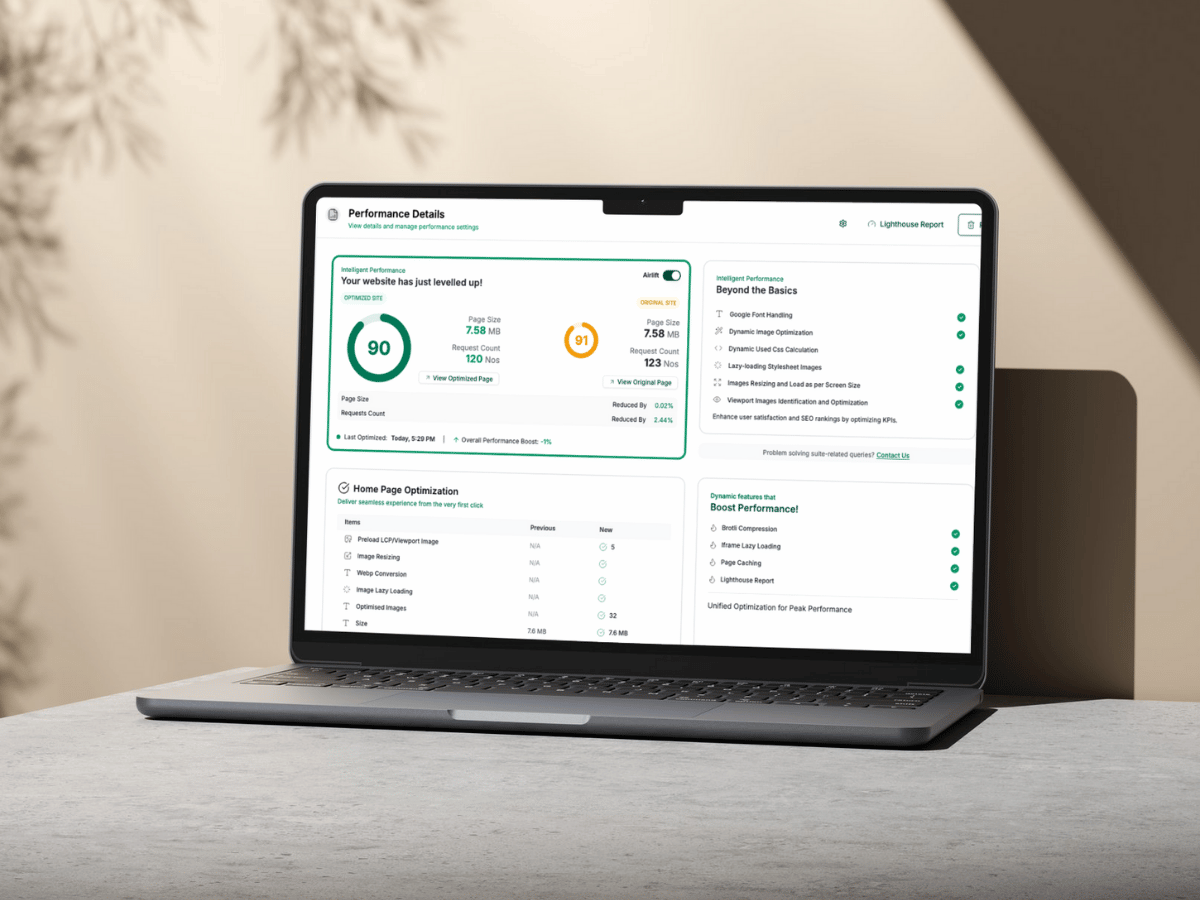
Speed is not a nice-to-have; it’s a ranking factor. Google uses Core Web Vitals, which measure loading speed and responsiveness, as part of how it ranks pages. A slow site pushes you down the results and frustrates visitors.
This matters even more for mobile users. Many Isle of Man customers browse on 4G or patchy signal in rural areas, so a bloated site with oversized images can grind to a halt. If your homepage takes more than a few seconds to appear, you’re losing people.
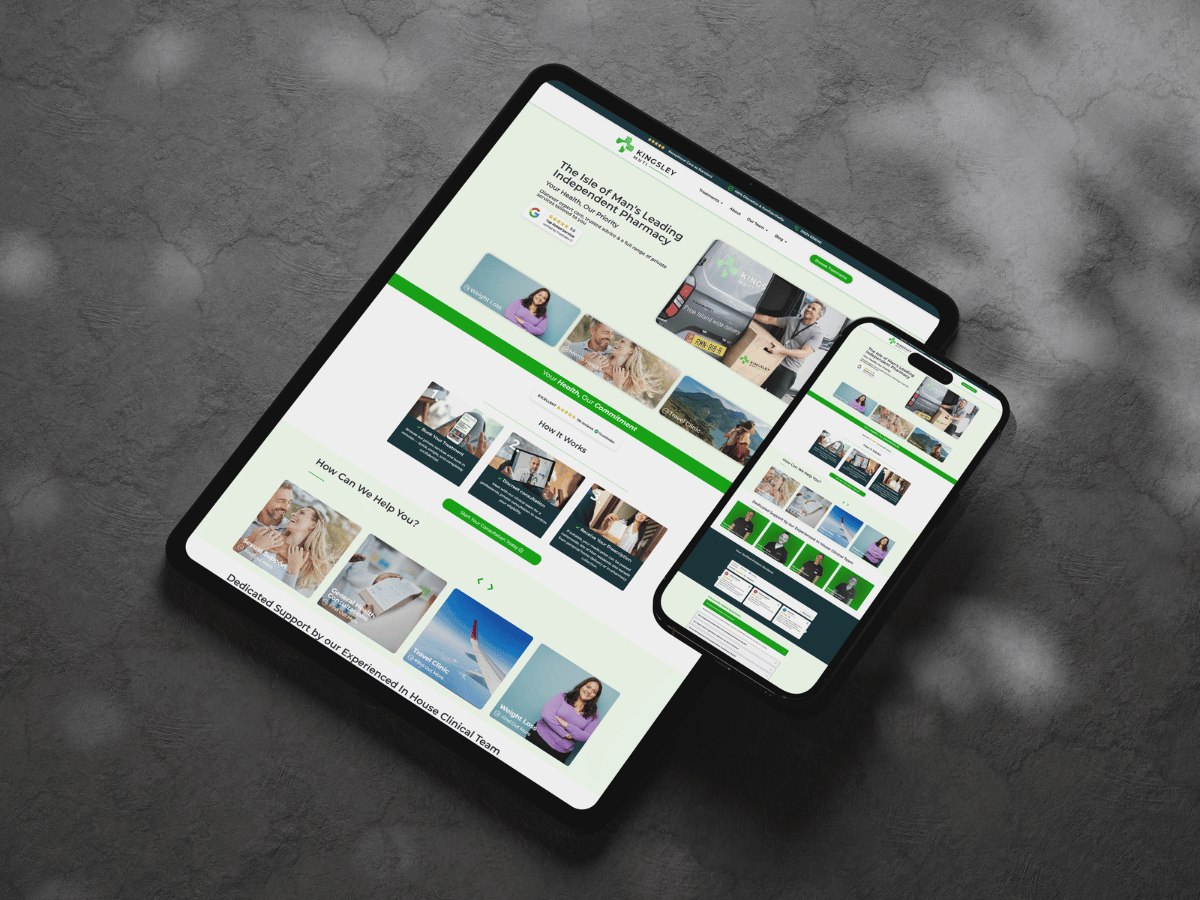
Over 60% of web traffic worldwide now comes from mobile devices, according to Statista. If your site doesn’t adjust smoothly to phones and tablets, you’re alienating the majority of your audience.
Responsive design is essential for local businesses in particular. Someone searching “café near me in Douglas” or “plumber Isle of Man” is almost always on their phone. If your site is hard to read or navigate on a small screen, they’ll simply tap back and choose a competitor.
Confusing menus, dead-end pages, and buried contact details drive visitors away fast. If people can’t find what they need within a few clicks, they won’t hang around.
Good navigation follows a few simple rules:
An intuitive layout keeps people on your site longer and moves them towards taking action.
A call-to-action (CTA) tells visitors what to do next. Without one, even interested visitors drift away. Every page should guide people towards a goal; booking, buying, enquiring, or subscribing.
Effective CTAs for local businesses include:
Make your CTAs prominent, action-led, and impossible to miss.
If your business rarely appears on the first page of Google, your SEO likely needs work. Other warning signs include falling organic traffic, few indexed pages, and no visibility for the terms your customers actually search.
A well-built new website addresses this from the ground up with clean code, proper heading structure, optimised images, and locally relevant content. For Isle of Man businesses, that means targeting terms your neighbours are searching, so you show up when it counts.
Stale content signals neglect. Opening hours from two years ago, staff who’ve long since left, or blog posts that stop in 2021 all suggest a business that’s switched off.
Fresh, relevant content does more than reassure human visitors. It also helps you signal authority to AI engines and search algorithms. Search engines and AI answer tools favour sites that publish accurate, up-to-date, well-structured information so regular updates keep you visible where people are increasingly looking for answers.
A website that ignores your social channels feels disconnected. Visitors can’t easily follow you, and you miss chances to build a wider audience.
Integrating social media linked icons, embedded feeds, easy sharing etc creates a unified digital presence. It reinforces your brand, builds trust through visible activity, and gives customers more ways to stay in touch with your Isle of Man business.
If your contact page hides a single email address at the bottom of the screen, you’re losing enquiries. Every barrier between a curious visitor and a conversation costs you business.
Modern contact solutions make it effortless:
The easier you make it to reach you, the more leads you’ll capture.
An unsecured site puts customers (and your reputation) at risk. Browsers now flag sites without an SSL certificate as “Not Secure”, which instantly erodes trust. You’ll spot SSL in action when a web address begins with “https” and shows a padlock icon.
Security matters for compliance too. If you collect customer data, you’re expected to protect it under data protection rules. A modern, secure website reassures visitors that their details are safe and keeps you on the right side of your obligations.
If several of these signs feel familiar, your website is probably holding your business back rather than helping it grow. The good news? Each of these problems is fixable.
Start by reviewing your own site against the ten signs above. Be honest about how it looks, how fast it loads, how it performs on mobile, and how easily customers can find and contact you. That simple audit will tell you whether a refresh or a full rebuild makes more sense.
If you’d rather have an expert team take a look, Synergy Media is a full-service digital marketing agency based in the Isle of Man, specialising in bespoke WordPress design, SEO and conversion-focused websites. Request a free, no-obligation quote and find out exactly what your website needs.
As a rule, review your website every two to three years for a design and technical refresh, and update content continually. Fast-moving industries may need more frequent updates, while a well-built, well-maintained site can last longer between major overhauls.
Costs vary widely depending on size, features, and complexity a simple brochure site costs far less than a bespoke e-commerce build. The best approach is to request a tailored quote based on your specific goals. Synergy Media offers free, no-obligation quotes for Isle of Man businesses.
Choose a refresh if your site’s core structure is sound but the design or content feels dated. Choose a rebuild if the site is slow, insecure, not mobile-friendly, or difficult to manage. If you’re ticking several of the ten signs above, a rebuild usually delivers better long-term value.
A new website built with clean code, fast load times, mobile responsiveness, and locally relevant content gives you a strong SEO foundation. Rankings also depend on ongoing content and link-building, but a modern site removes the technical barriers that hold many older websites back.
Most local searches happen on mobile phones, often with immediate intent. People looking for a nearby service, shop, or restaurant. If your site is hard to use on a phone, you lose those ready-to-buy customers to competitors whose sites work smoothly on any device.
We use cookies to personalize content, provide social media features, and analyze our traffic. We also share information about your use of our site with our analytics partners. You can change your preferences at any time. For more information, please see our Privacy Policy and Cookie Policy. Privacy Policy Cookie Policy