If you ask most people what affects search rankings, they’ll tell you the same thing: keywords. Use the right words, put them on the page often enough, and Google rewards you. Simple.
But 2026 search engines are smarter than that. They don’t just care what a website says. They care how the website works – how fast it loads, how clear the navigation is, how accessible the content feels and whether users can find what they came for without frustration.
And for local companies here on the island, that difference is crucial. Quality web design isn’t just about looking slick and modern. It’s about showing search engines you’re worth putting in front of customers. In other words, better websites lead to better Isle of Man SEO.
Here’s how design and search performance are more connected than most businesses realise.
Search engines don’t see websites the way humans do. They don’t see colours, layout or typography. They read structure – headings, hierarchy, metadata, links and how information is organised. If your website is messy behind the scenes, search engines struggle to understand who you are, what you do and why you deserve to rank.
That’s a problem for two reasons:
The architecture of a website isn’t decorative. It’s directional. It tells Google (and customers) what matters most.
A tourism operator, for example, shouldn’t hide booking pages under unnecessary subfolders. A restaurant shouldn’t bury menus in downloadable PDFs. A financial advisor shouldn’t route visitors through five confusing tabs just to find out what services they offer.
When structure is logical, Google understands the business. When structure is confusing, Google plays it safe and ranks someone else.
Search engines reward usable websites. That means fast load times, minimal bloat, clean code, and optimisation that prevents users from bouncing.
Slow sites don’t just annoy people; they send negative signals directly to search engines, which leads to lower rankings. It doesn’t matter how good your products or services are; if your site takes too long to load, many users simply won’t see them.
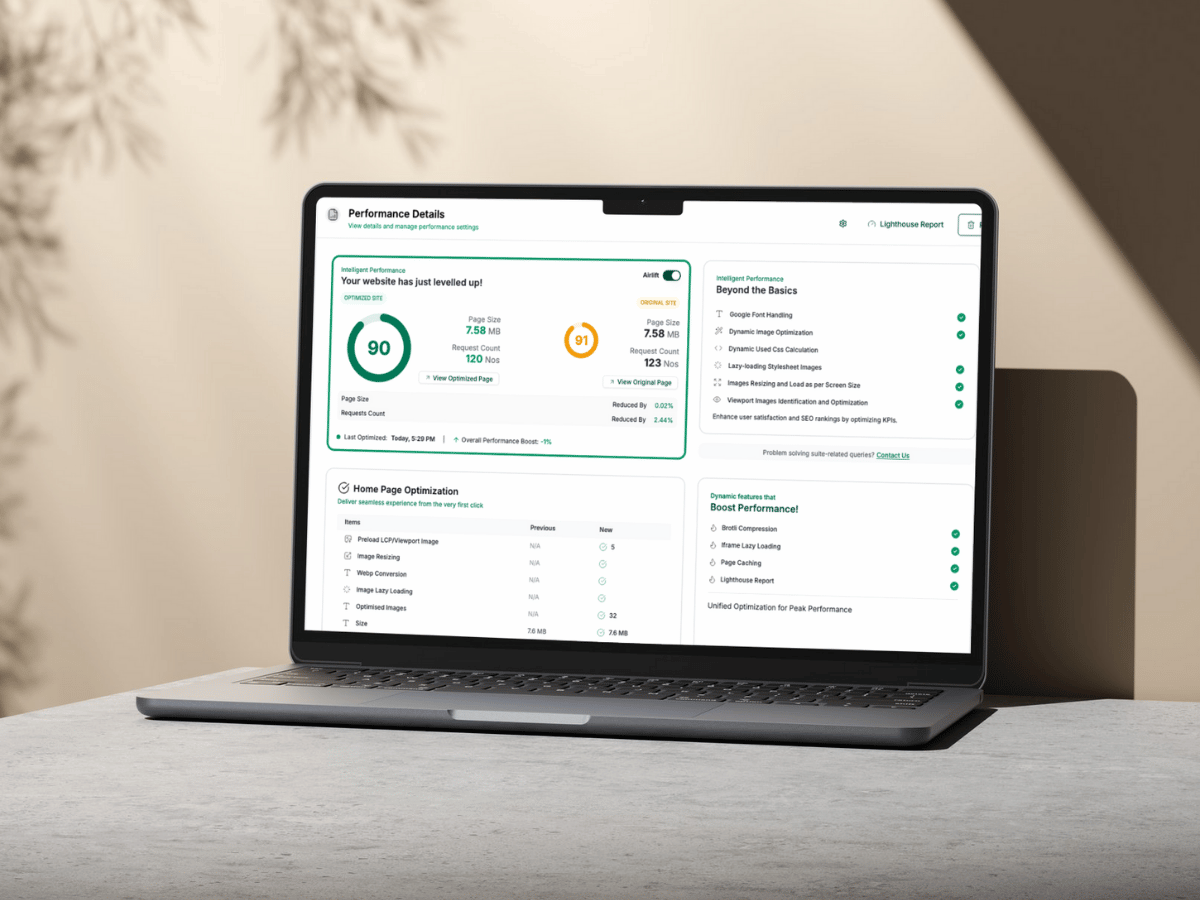
On the Isle of Man, this matters even more. Not every user is browsing on high-speed fibre, especially in rural areas. A website that feels “fine” in an office with superfast broadband might feel painfully slow on a mobile phone in more remote locations.
Speed is no longer a technical extra. It’s customer service – and search engines reward the businesses who treat it that way.
Over 70% of website visits on the island now start on mobile. And Google’s indexing reflects that: it evaluates mobile design first, not desktop. That means if a site works beautifully on a laptop but poorly on a phone, the search performance suffers.
Mobile UX doesn’t just mean resizing a layout. It includes:
Search engines prioritise websites that users stay on. If mobile visitors leave because the layout is frustrating, search rankings eventually follow suit.
So when people talk about Isle of Man SEO, they might actually be talking about whether your website works properly on a phone.
Local SEO isn’t just about adding your address and hoping for the best. Search engines assess whether users engage with your content – especially if they’re searching for businesses near them. For island-based companies, local visibility depends on two things working together:
If someone searches “Douglas hairdresser” or “plumber Peel,” they want quick answers, clear contact options, and an easy way to book or call. If your site makes them hesitate, they bounce. Bounce rates influence rankings. Relevant, clear calls to action help keep users, which signals quality.
Local search also depends on consistent branding. A user who can’t immediately recognise a company’s identity feels unsure — and uncertainty leads to exits, which again reduces ranking potential. Brand clarity is an SEO factor more than most businesses realise.
Strong branding helps users recognise they’re in the right place, and that recognition builds confidence. In the world of Isle of Man marketing, where trust spreads through community reputation, strong branding does three SEO-supporting jobs:
People browse longer when they feel sure they’ve found a legitimate business.
Clear brand messaging replaces confusion with clarity.
The easier users decide, the better the behavioural data search engines see.
This has nothing to do with flashy logos. It’s about consistency: typefaces, tone of voice, colour systems, layout patterns and user expectations. Branding is the cognitive shortcut that keeps users on the page long enough to convert, and those conversions tell Google your business deserves to be seen.
Many businesses treat SEO as something you sprinkle on afterwards – like a topping. In reality, retrofitting SEO onto an existing design often means undoing months of work.
Think of it like building a house. You wouldn’t design every room, decorate it beautifully, move in, and then decide to lay plumbing. SEO is infrastructure.
Integrating optimisation from the start means:
It’s not a case of chasing algorithms, but building websites that are intuitive for humans and therefore clear to search engines.
The best-performing pages aren’t stuffed with keywords or gaming the system. They’re simply aligned with what users actually want.
That means:
Pages that respect user intent don’t need gimmicks. Search engines recognise authenticity through user behaviour – how long they stay, what they click, what they ignore and whether they come back.
SEO-ready design is, ultimately, human design.
When Isle of Man businesses think about visibility, many jump straight to ads or content creation. But the truth is simpler: search engines prioritise websites that users enjoy using. Fast, accessible, well-structured and well-branded sites naturally outperform confusing ones – even with identical content.
The strongest SEO results come from building websites that search engines understand and people actually trust. And that’s exactly where good web design stops being cosmetic – and becomes a growth strategy.
If your website looks good but still hides on page two, it’s time to fix the foundations. Bring your SEO and design together with Synergy Media.